It's Kenna again with your daily dose of all things space.
This morning saw the successful docking of the private Axiom-4 mission, as the astronauts on SpaceX's Dragon crew capsule arrived at the International Space Station. The crew will now spend two weeks running various science experiments on the station.
In other news, NASA has been pulling out of big conferences, like the American Astronomical Society's 246th meeting. In fact, the National Science Foundation cancelled its planned talk at the meeting, too. Scientists told Space.com they have been feeling these effects and are worried for the future of these conferences.
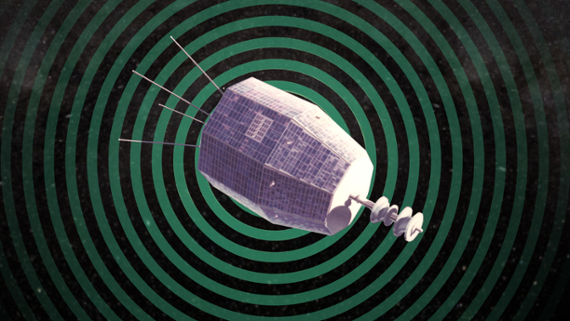
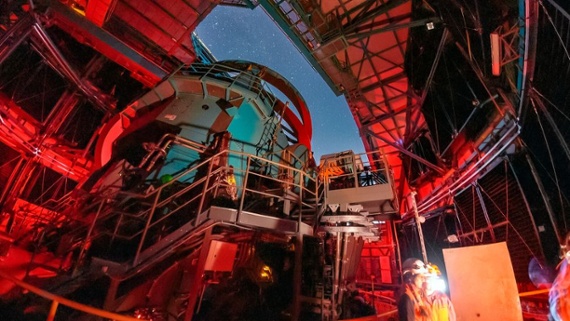
Our stories for today's roundup include Rubin Observatory using a "data butler" to help with its large image files, a dead NASA satellite still sending out radio signals and the final "Fantastic Four: First steps" trailer. There's a lot happening and we have all the latest news here for your daily read.
Kenna here with the latest headlines in the world of space news and science.
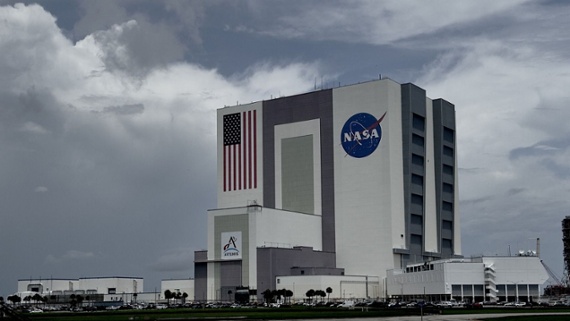
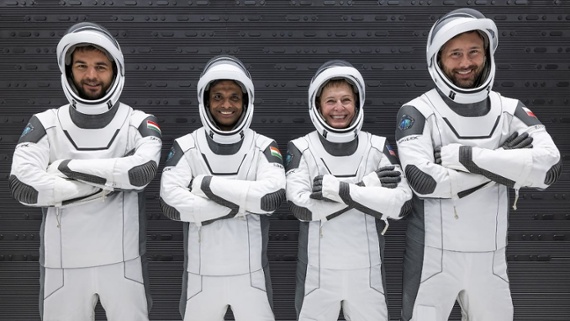
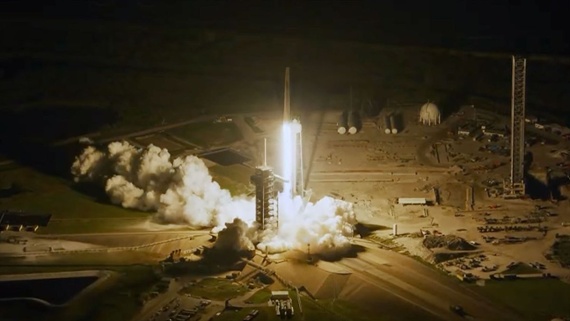
The big story happened in the early hours this morning, as the private Axiom-4 successfully launched from from NASA's Kennedy Space Center in Florida, heading to the International Space Station. Ax-4 is carrying the first ever-people from India, Hungary and Poland on its voyage, making the launch a mission of many "firsts."
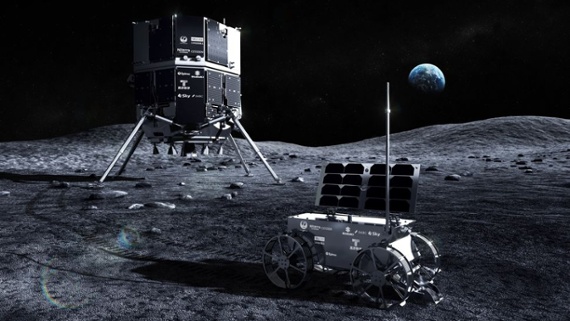
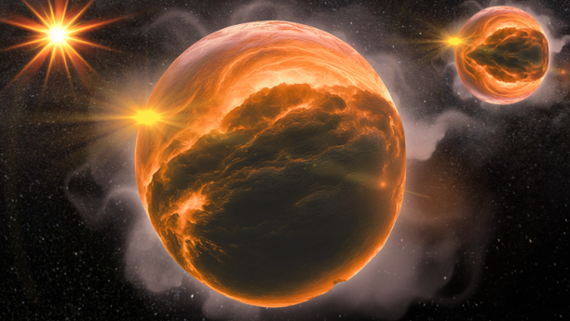
Other stories include an update on the private ispace moon lander's crash, finding the origins for mysterious double hot Jupiter exoplanets, and the many celestial things you can watch in the night skies for June. We've got it all here.
SpaceX's newest Dragon spacecraft launched on its debut mission this morning (June 25), sending the four-person Ax-4 mission to the International Space Station (ISS)
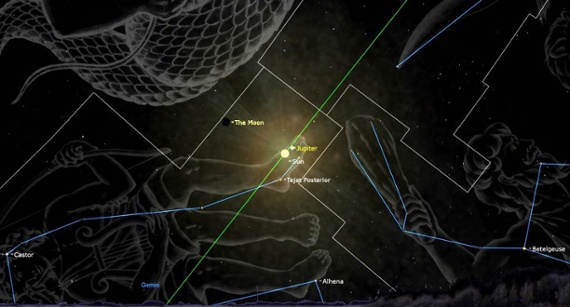
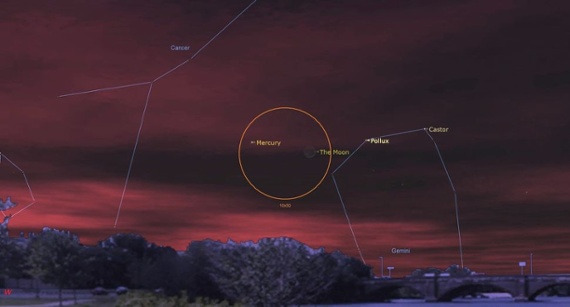
Four prominent celestial objects -- the moon, a bright planet and two bright stars -- will come together to form a "celestial quadruple play" in the night sky this week.
The spacecraft's laser range finder, or LRF, experienced an anomaly that prevented Resilience from obtaining valid measurements of its distance from the lunar surface.