|
| Created for znamenski.spacecom@blogger.com | Web Version |
|
|
|

It's a great week to look up — with meteor activity building, a glowing crescent moon lighting up the evenings and a few skywatching events worth staying up late for.
The headline event is the peak of the Lyrids meteor shower, which could deliver up to 20 meteors per hour under dark skies. You'll also have a chance to spot delicate earthshine on the moon and catch a close pairing with the Beehive Cluster.
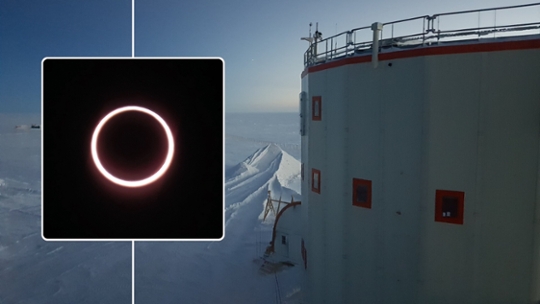
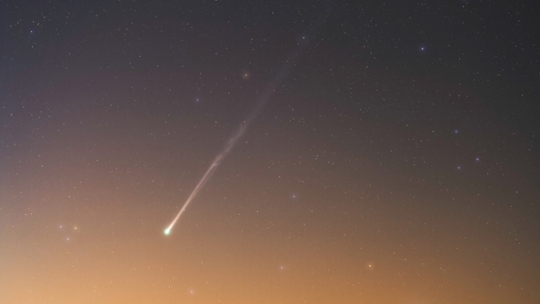
Elsewhere in this issue, we've got everything you need to make the most of the Lyrids, plus a spectacular photo of Comet C/2025 R3 (PanSTARRS) glowing above a false dawn. We're also diving into a remarkable story of just 12 people witnessing a rare annular "ring of fire" solar eclipse from Antarctica and how one observer had to improvise to capture the perfect shot.
Here's what to watch for in the nights ahead.
Daisy Dobrijevic
Skywatching Editor, Space.com
|
|
 |
| (Starry Night) |
|
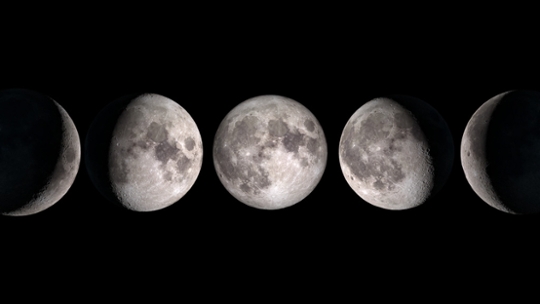
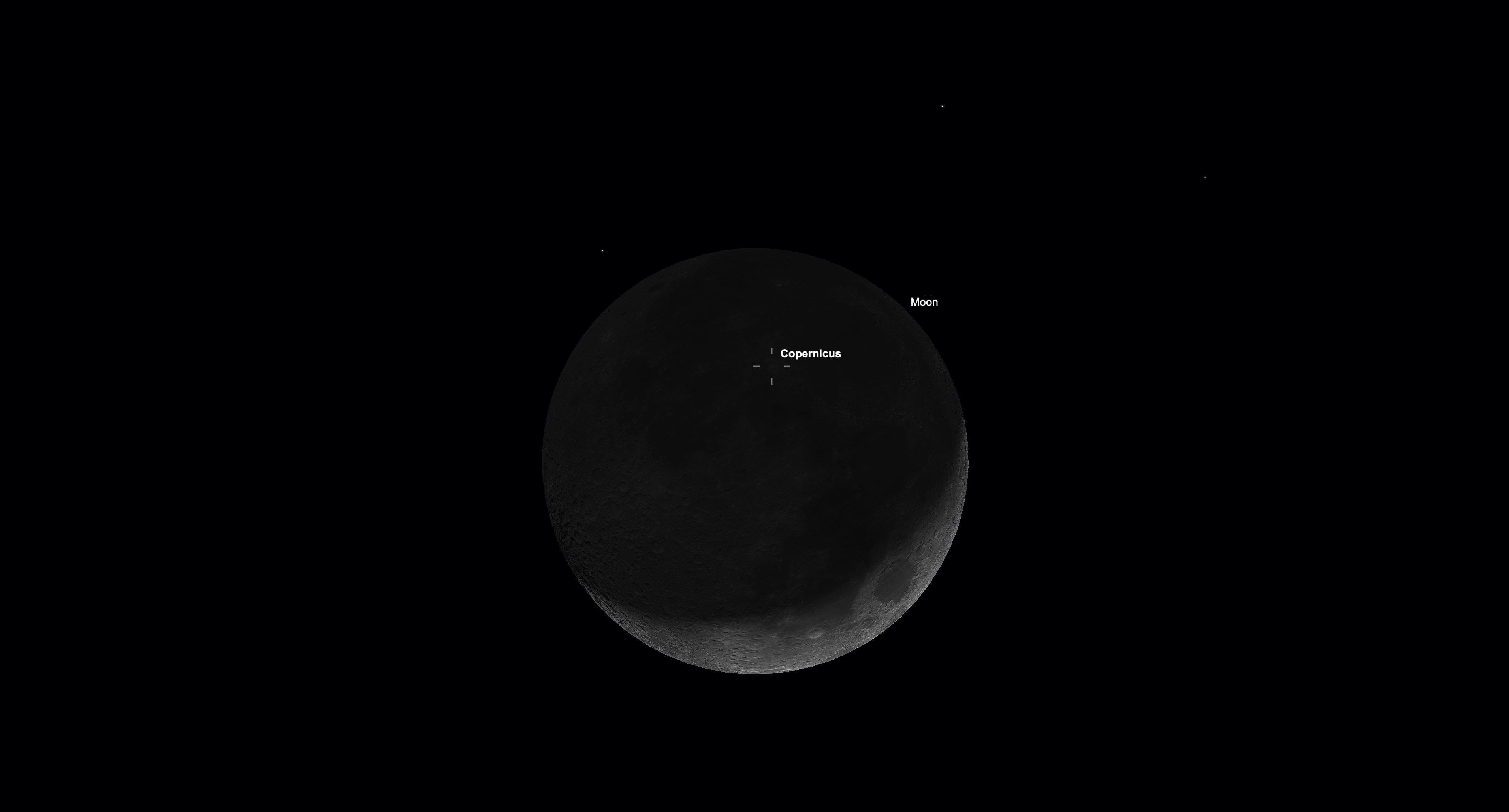
Look for the soft glow of earthshine on the crescent moon. Sunlight reflected off Earth will gently illuminate our lunar neighbor's dark side.
|
|
|
 |
| (Starry Night) |
|
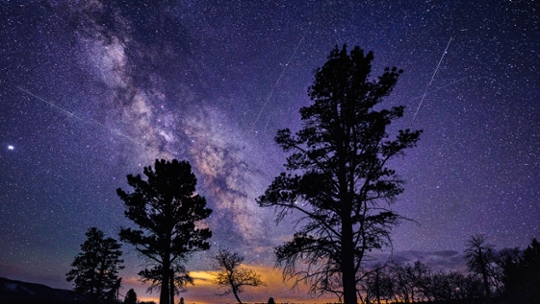
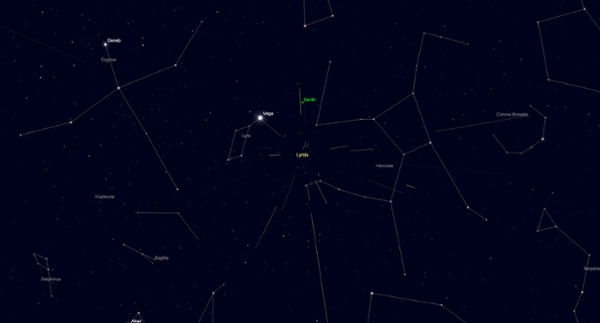
The Lyrid meteor shower peaks before dawn, with up to 20 meteors per hour and a chance of bright fireballs.
|
|
|
 |
| (Starry Night) |
|
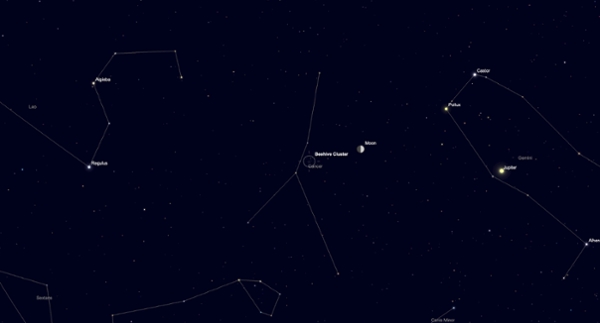
The half-lit moon passes close to the Beehive Cluster in Cancer. This sight is best viewed with a pair of binoculars.
|
|
|
 |
| (Starry Night) |
|
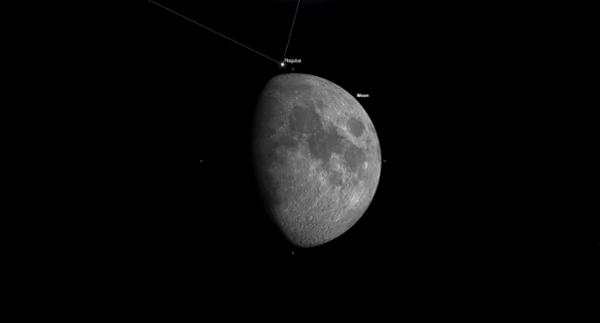
Observers in parts of the Americas can watch the moon pass in front of Regulus. The moon will be in its waxing gibbous phase and approximately 71% illuminated.
|
|
|
|
The moon reaches its first quarter on April 23, appearing half-illuminated in the evening sky. This is one of the best times to explore the lunar surface, as low-angle sunlight casts dramatic shadows across craters and mountain ranges along the terminator. Want to explore more? Check out our ultimate guide to observing the moon for tips and tools to get the most out of each phase.
|
|
|
|
The best time to view the Lyrids this year will be early morning on April 22.
|
|
|
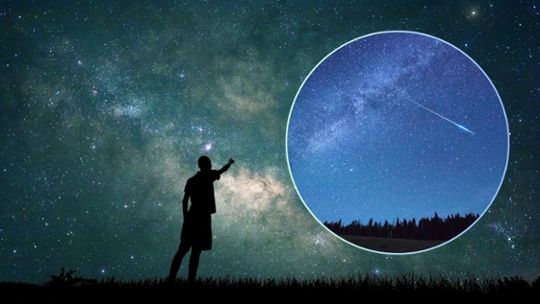
The Lyrids are back! Here's where to look and how to spot these shooting stars.
|
|
|
|
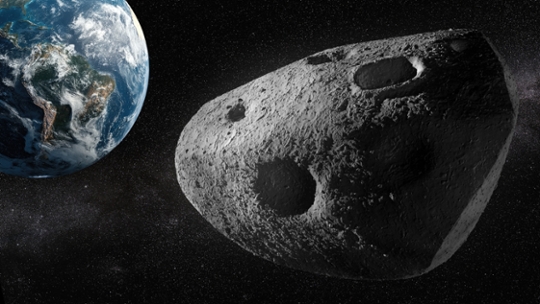
A rare stargazing spectacle will unfold on Friday, April 13, 2029, as the asteroid Apophis passes closer than satellites over Europe and Africa in a true once-in-a-lifetime event.
|
|
|
|
A remote Antarctic research team became the only people on Earth to witness a rare annular solar eclipse — and one scientist had to improvise to capture it.
|
|
|
|
The comet is already visible to the naked eye ahead of its perihelion passage on April 19.
|
|
|
| Astronomy Kit and Accessories |
|
|
These astrophotography camera accessories are worth adding to your setup in 2026.
|
|
|
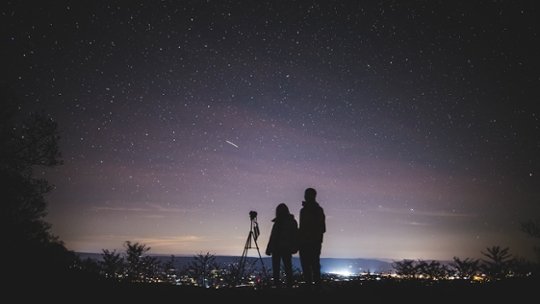
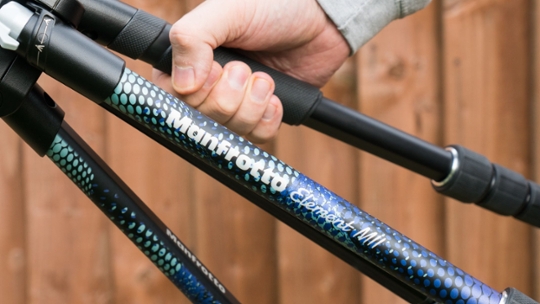
Owning one of the best tripods for your camera is essential whether you're shooting astrophotography, landscape or portraits.
|
|
|
| Stay up-to-date on all things space science, news, and entertainment by subscribing to our newsletters. |
|
 |
|
 |
Follow Night Sky This Week |
 |
 |
 |
 |
|
|
|
When you purchase through links in our content, we may earn an affiliate commission.
Future US LLC © |
| Full 7th Floor, 130 West 42nd Street, New York, NY, 10036. |
|
|
|
|