| | Created for znamenski.spacecom@blogger.com | Web Version | | | |  | What's Up This Week? This week opens with a spectacular full Harvest supermoon, the first supermoon of 2025. As it crosses the autumn skies, the moon will glide past the famous Pleiades star cluster and reveal delicate details across its surface. Later in the week, look toward Perseus to catch Algol, the "eye of Medusa," dim and brighten in its eerie rhythm. Whether you're a moon lover, a star chaser, or both, October's night sky is full of celestial drama. Here's what to watch for this week. Clear skies,
Daisy
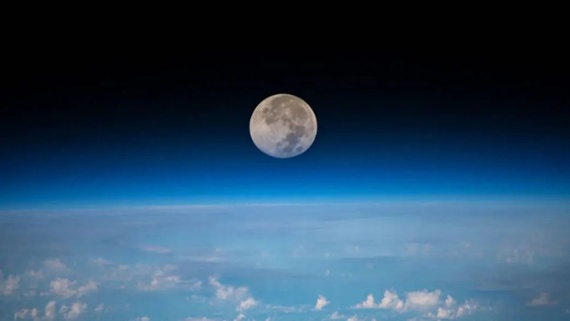
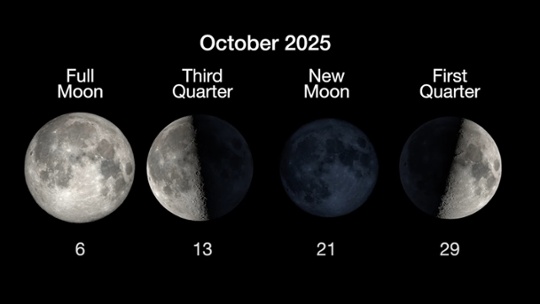
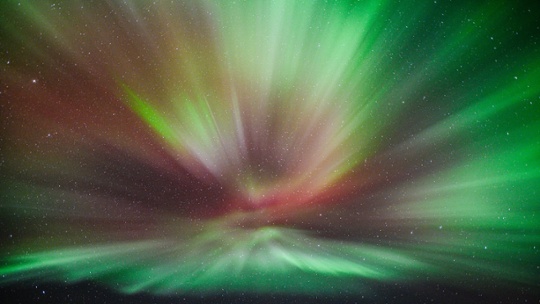
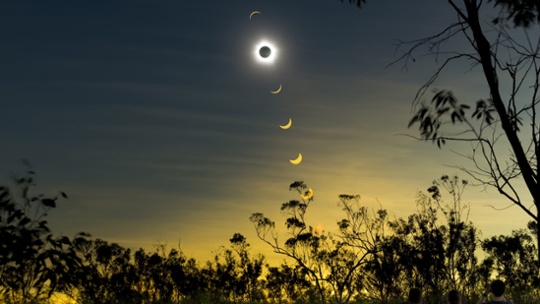
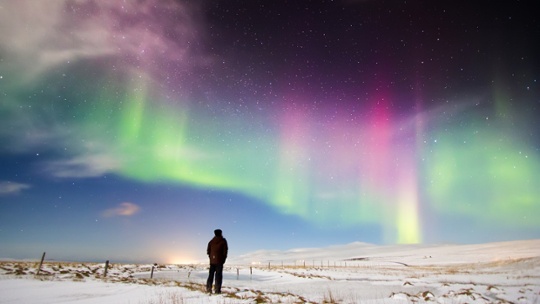
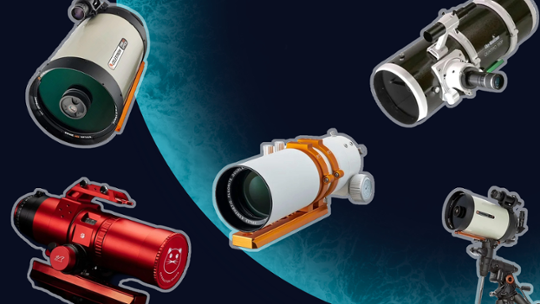
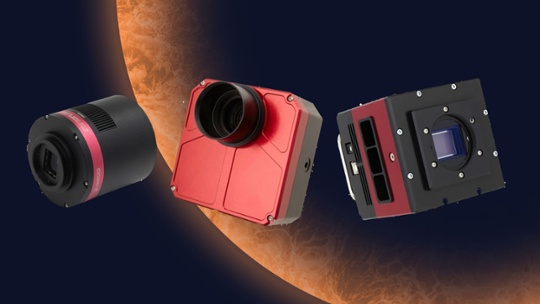
Reference Editor, Space.com | | 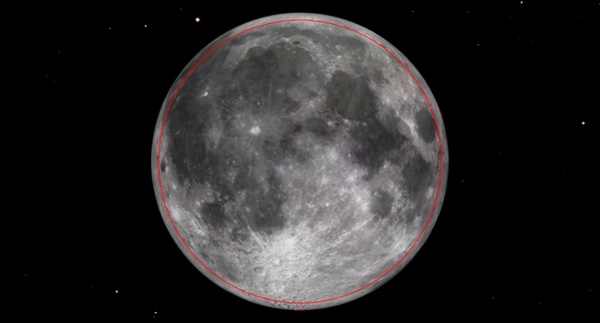 | | (Starry Night) | | The Harvest Moon rises just after sunset, reaching full phase at 11:48 p.m. EDT (0348 GMT on Oct. 7). This is the first of three consecutive supermoons, appearing about 4% larger and 13% brighter than average. | | | | | 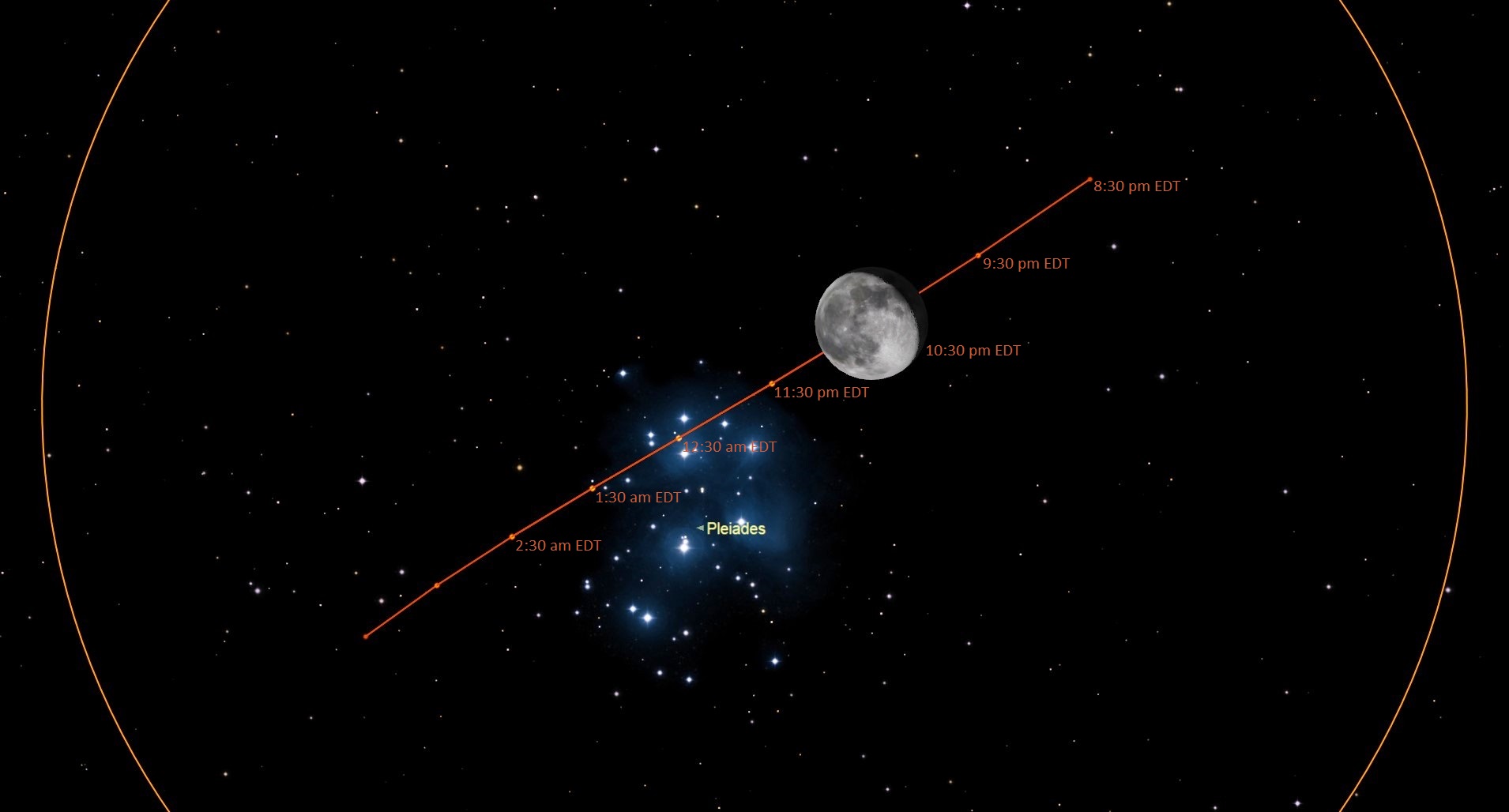 | | (Starry Night) | Look east around 9 p.m. local time to see the bright moon near the Pleiades star cluster — also known as the Seven Sisters or Messier 45. Binoculars will frame the scene beautifully. To spot the cluster's blue stars more clearly, move the moon just outside your field of view. | | | | | 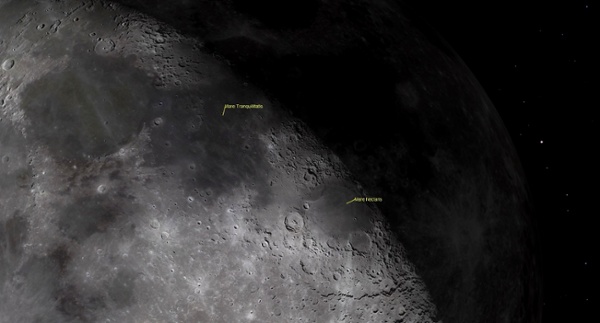 | | (Starry Night) | The waning gibbous moon reveals fine details along its eastern edge. Through binoculars or a telescope, look for faint wrinkle ridges curving across the dark seas of Mare Nectaris and Mare Tranquillitatis, created by ancient volcanic and tectonic activity. | | | | | 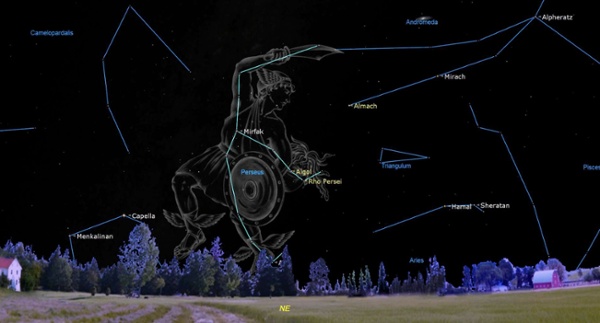 | | (Starry Night) | The variable star Algol in Perseus dims and brightens in a regular 10-hour cycle, representing the blinking "eye of Medusa." On Sunday night, it begins to fade around 7:42 p.m. EDT (2342 GMT) and reaches minimum brightness five hours later while high in the eastern sky. Watch it and nearby stars like Almach and Rho Persei to see the difference. | | | | | | | Moon Calendar The Harvest supermoon on Oct. 6 is one of the most anticipated full moons of the year. Occurring closest to the autumn equinox, it shines in or near the stars of Pisces and Cetus, rising almost the same time each evening. As the first of three supermoons, it appears slightly larger and brighter than average, bathing the landscape in golden light. Want to explore more? Check out our ultimate guide to observing the moon for tips and tools to get the most out of each phase. | | | | | | | In The News | Auroras aren't over: the sun's decline brings more storms, and a 'last gasp' finale could light up skies in the next 2 years. | | | | Solar Eclipse | A total solar eclipse will sweep across Australia and New Zealand on July 22, 2028, bringing over five minutes of midday darkness. | | | | Northern Lights Forecast | The latest aurora forecast for tonight help you make sure you're in the right place at the right time to see the northern lights. | | | | Astronomy Kit and Accessories | The best telescopes for professional astrophotography will allow you to capture high-definition images of planets, nebulas and galaxies. There are telescope savings to be had this Prime Day in October. | | | Browse our list of the best dedicated astrophotography cameras. | | | | Stay up-to-date on all things space science, news, and entertainment by subscribing to our newsletters. | |  | |  | Follow Night Sky This Week |  |  |  |  | | | | | Future US LLC © | | Full 7th Floor, 130 West 42nd Street, New York, NY, 10036. | | | | |