 | | Created for znamenski.spacecom@blogger.com | Web Version | | | |  March skies are packed with subtle but beautiful sights for patient stargazers.
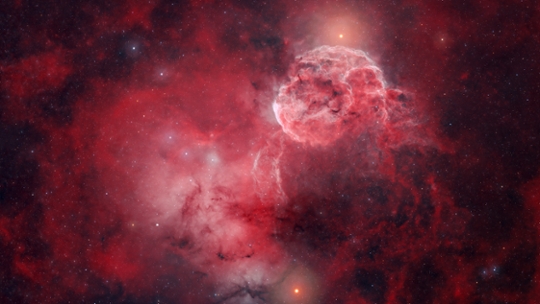
This week, the waning moon glides past the red star Antares, Jupiter wraps up its retrograde motion in Gemini and the nearby Hyades star cluster glows in the western sky after sunset. The third quarter moon also arrives midweek, opening a stretch of darker evenings perfect for hunting deep-sky objects. Elsewhere in this issue, we're featuring a striking astrophoto of a supernova remnant that resembles a jellyfish, plus a guide to one of the most overlooked seasonal sights — zodiacal light — and why March evenings offer some of the best chances of the year to see this ghostly pyramid of light. Here's what to watch for in the nights ahead. Daisy Dobrijevic
Reference Editor, Space.com
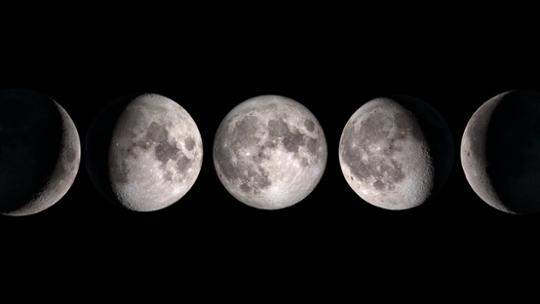
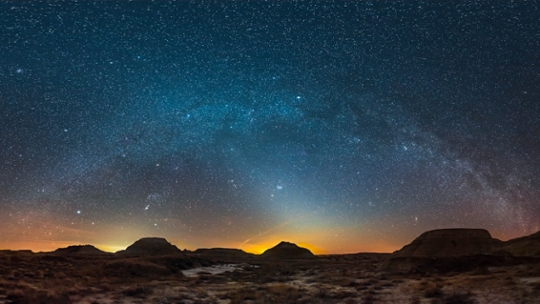
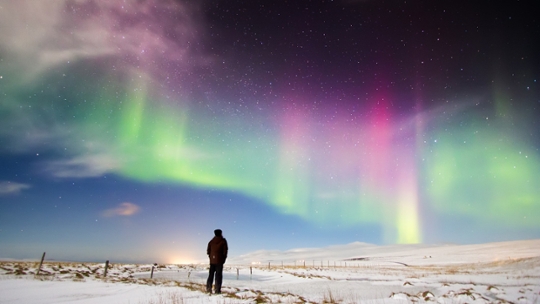
| | 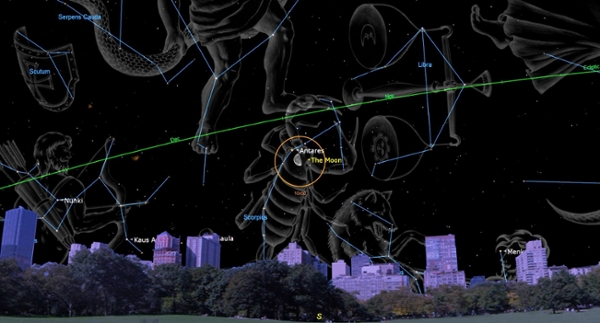 | | (Starry Night) | Early risers can spot the waning gibbous moon shining close to Antares, the bright red star marking the heart of Scorpius. The pair will be low in the southeastern sky before sunrise but easily visible in binoculars. | | 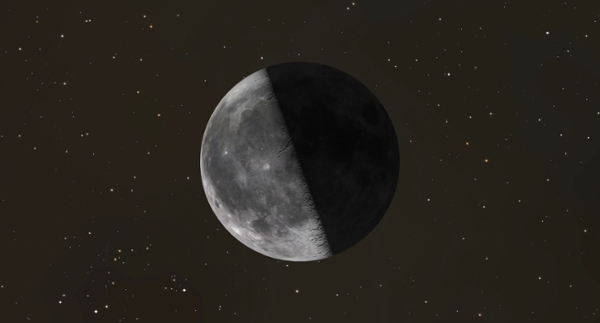 | | (Starry Night) | The moon reaches its third quarter phase at 5:38 a.m. EDT (0938 GMT). Rising around midnight and lingering into the daytime sky. This marks the start of a week of darker evenings, perfect for observing faint galaxies and nebulas. | | 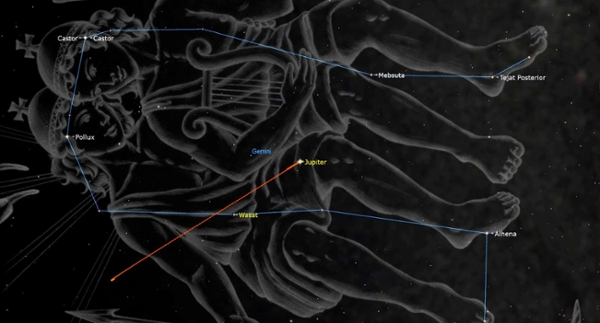 | | (Starry Night) | Jupiter halts its apparent backward motion in Gemini, completing a retrograde loop that began in November 2025. After this point, the gas giant resumes its normal eastward path across the stars. | | 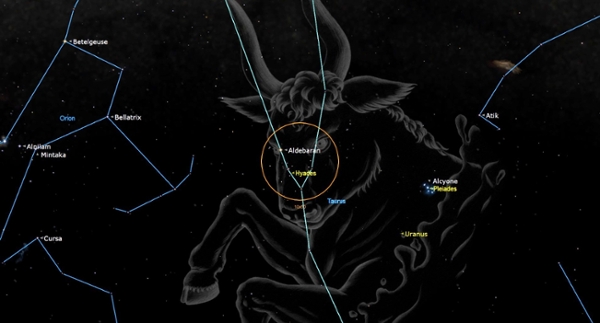 | | (Starry Night) | Look west after sunset for the Hyades, the V-shaped star cluster forming the face of Taurus the Bull. At just 150 light-years away, it's one of the closest star clusters to Earth and a beautiful target in binoculars. | | | The moon reaches its third quarter phase on March 11 at 5:38 a.m. EDT (0938 GMT). At this phase, the moon appears half-lit, with its western side illuminated. Third quarter moons rise around midnight and remain visible through the morning hours. Just as importantly for stargazers, the nights following this phase bring darker evening skies, ideal for observing faint galaxiesand other deep-sky objects as spring approaches. Want to explore more? Check out our ultimate guide to observing the moon for tips and tools to get the most out of each phase. | | | | The zodiacal light is at its most visible on the nights surrounding the spring and autumn equinoxes. | | | | The latest aurora forecast for tonight helps you make sure you're in the right place at the right time to see the northern lights. | | | | The nebula was formed when a star went supernova 5,000 light-years from Earth. | | | 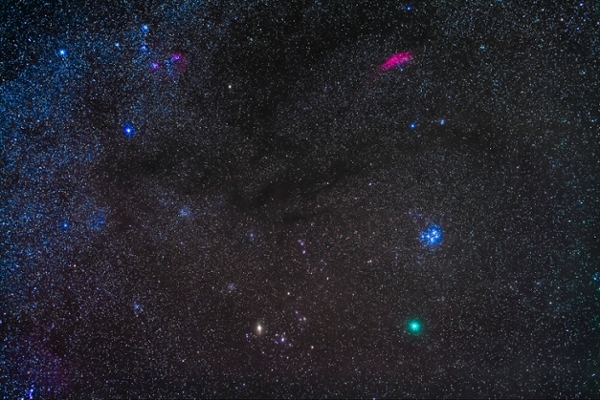 | | (VW Pics/Getty Images) | | Constellation spotlight: Taurus the Bull | Look west after sunset for Taurus the Bull, one of the most recognizable constellations in the night sky. Its face is marked by the V-shaped Hyades star cluster with bright star Aldebaran shining in one corner. | | | | Astronomy Kit and Accessories | | | The best cameras for photo and video, handpicked and approved by our experts with models from Canon, Nikon, Sony and Fujifilm. | | | We have rounded up the best lenses for astrophotography so you can capture detailed night sky shots with crystal clear stars. | | | | Stay up-to-date on all things space science, news, and entertainment by subscribing to our newsletters. | |  | |  | Follow Night Sky This Week |  |  |  |  | | | | | Future US LLC © | | Full 7th Floor, 130 West 42nd Street, New York, NY, 10036. | | | | |




No comments:
Post a Comment