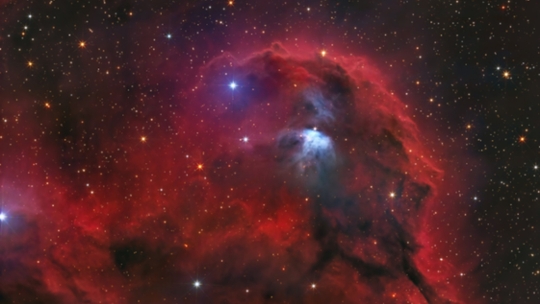
 | | Created for znamenski.spacecom@blogger.com | Web Version | | | |  Spring is arriving in the night sky and with it comes one of the best observing seasons of the year. This week features a delicate predawn lineup of the moon with Mercury and Mars, the arrival of the new moon and the March equinox, marking the official start of spring in the Northern Hemisphere. Darker skies later in the week also open the door to the beginning of galaxy season, when distant stellar islands begin to dominate the evening sky.
Elsewhere in this issue, we're featuring a stunning astrophoto of a glowing nebula in Orion, created from nearly 70 hours of exposure time, revealing delicate details hidden deep inside this famous stellar nursery. Here's what to watch for in the nights ahead. Daisy Dobrijevic Reference Editor, Space.com | | 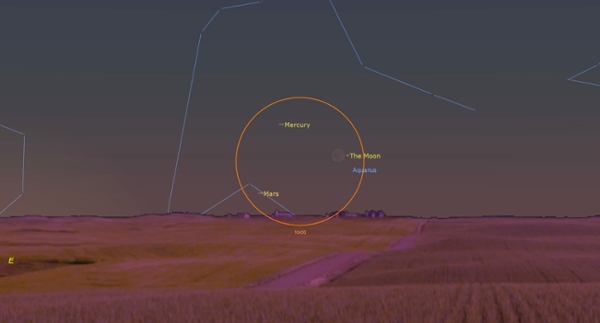 | | (Starry Night) | A very thin crescent moon rises just before sunrise alongside Mercury and Mars. The trio forms a small triangle low in the eastern sky and can fit in the same binocular view. | | 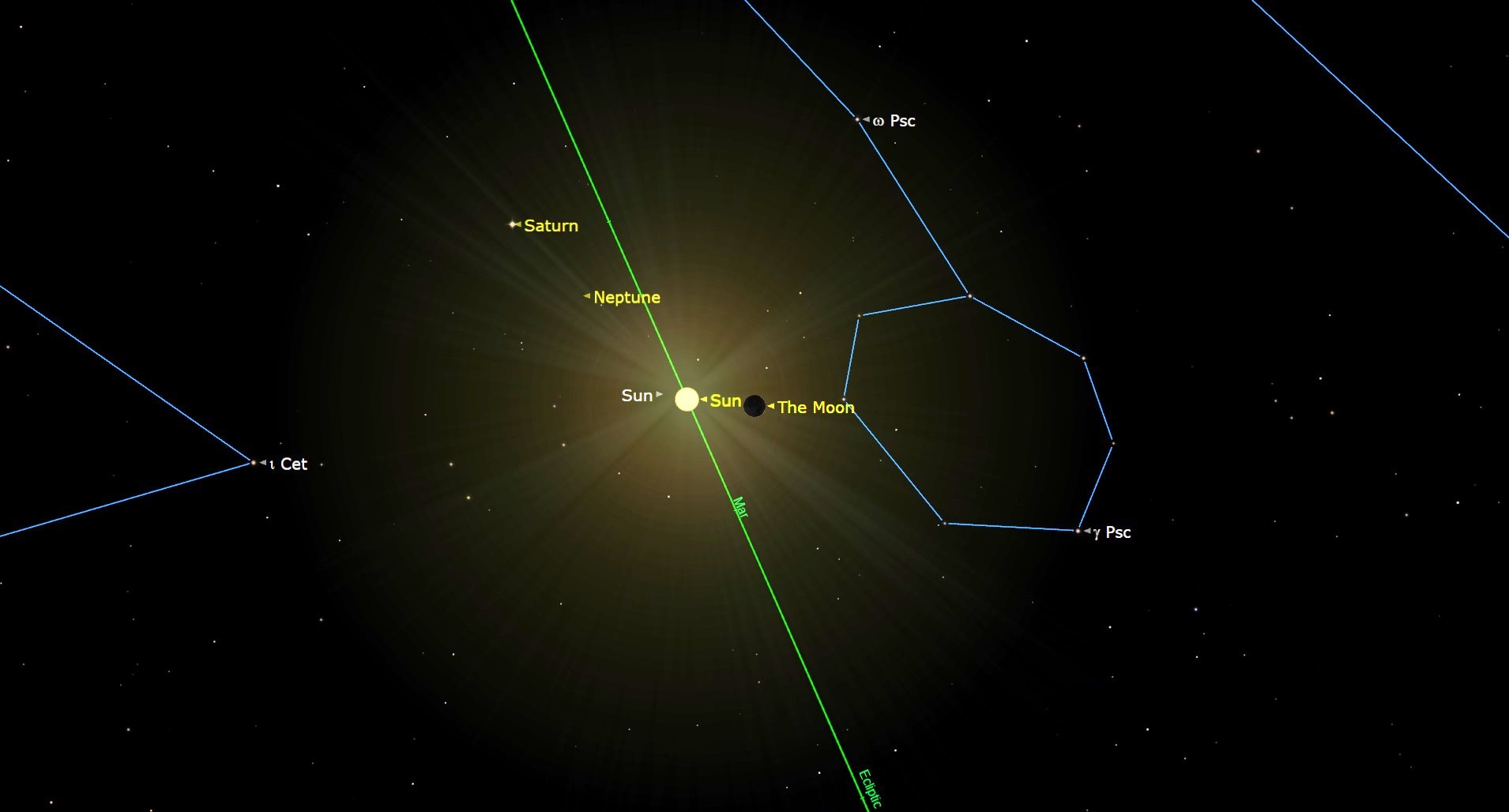 | | (Starry Night) | The moon reaches its new phase at 9:23 p.m. EDT (0123 GMT on March 19). With the moon out of the evening sky, the following nights offer darker conditions, ideal for observing faint galaxies and nebulas. | | 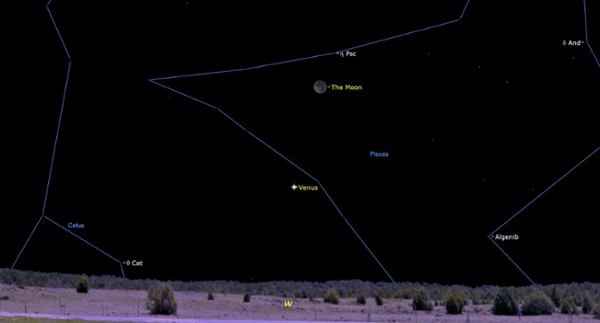 | | (Starry Night) | After sunset, a delicate crescent moon hangs above brilliant Venus in the western sky. Look for earthshine, where sunlight reflected from Earth softly illuminates the moon's dark side. | | 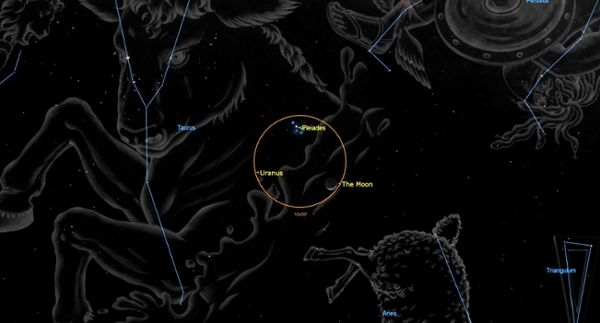 | | (Starry Night) | The waxing crescent moon appears near the Pleiades star cluster in Taurus after dusk. Binoculars will easily reveal the cluster's bright stars sparkling above the moon. | | | The moon reaches its new phase on March 18 at 9:23 p.m. EDT (0123 GMT on March 19). During this phase, the moon sits between Earth and the sun, leaving the night sky dark and moon-free. The week surrounding the new moon is one of the best times of the month for observing deep-sky objects, especially galaxies that begin to fill the spring sky. Want to explore more? Check out our ultimate guide to observing the moon for tips and tools to get the most out of each phase. | | | | Spring skies reveal some of the best galaxies visible to backyard telescopes. | | | | Astrophotographer Emil Andronic captured a gorgeous blue reflection nebula glowing inside the red clouds of Orion's Head in the constellation Orion. | | | 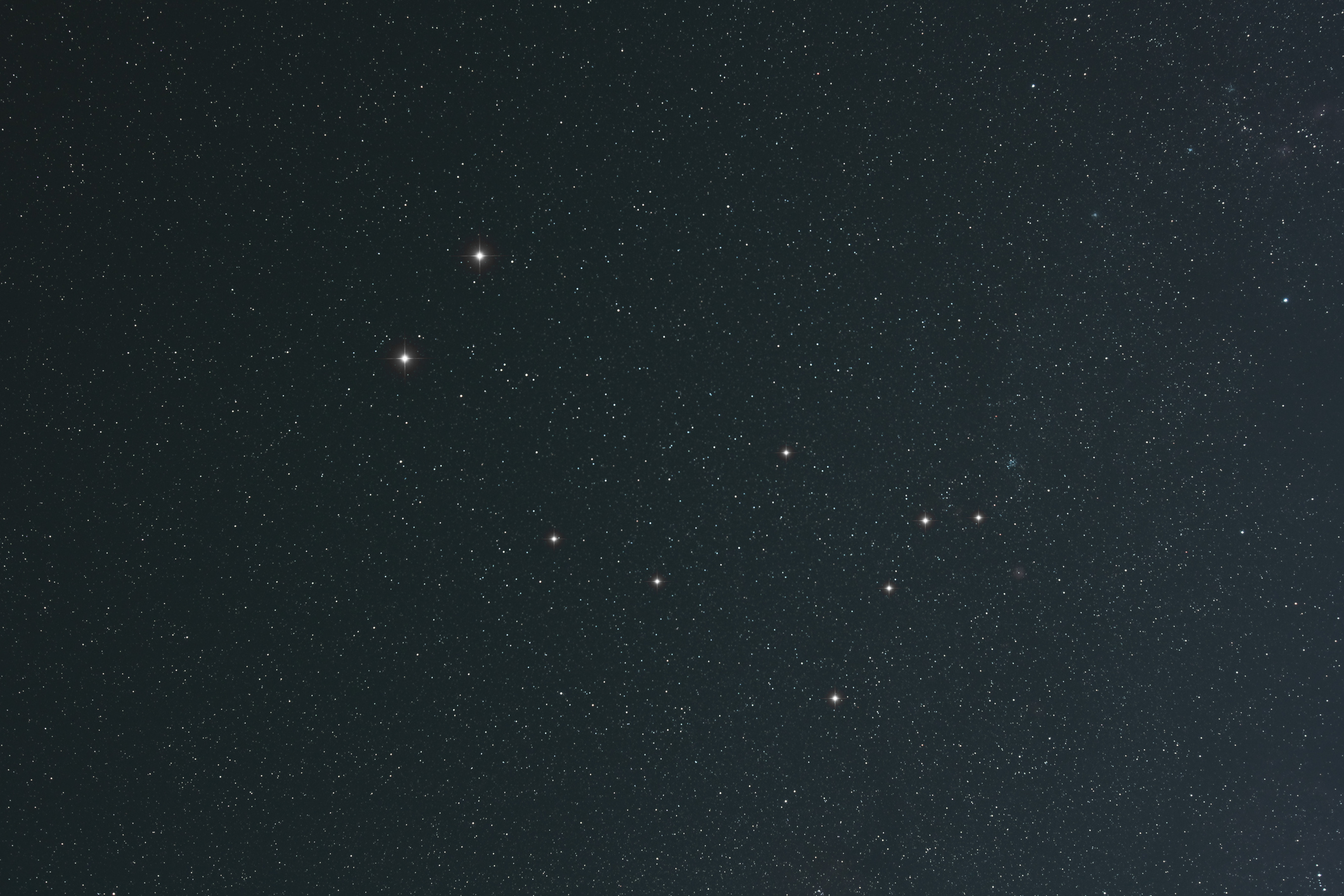 | | (Christophe Lehenaff) | | Constellation spotlight: Gemini | Look high in the western sky after sunset for Gemini, the constellation of the Twins. The two brightest stars, Castor and Pollux, mark the heads of the twins and form a distinctive pair visible even from light-polluted skies. Gemini sits along the path of the sun and planets, known as the ecliptic, which means the moon and planets frequently pass through it, making it a familiar landmark in the night sky. | | | | Astronomy Kit and Accessories | | | Here are five ways to capture the night sky. | | | These astrophotography camera accessories are worth adding to your setup in 2026. | | | | Stay up-to-date on all things space science, news, and entertainment by subscribing to our newsletters. | |  | |  | Follow Night Sky This Week |  |  |  |  | | | | | Future US LLC © | | Full 7th Floor, 130 West 42nd Street, New York, NY, 10036. | | | | |


No comments:
Post a Comment