 | | Created for znamenski.spacecom@blogger.com | Web Version | | | |  | What's Up This Week? Mid-September skies are packed with variety — from classic star patterns to planetary showpieces and even a solar eclipse. The week begins with the Great Square of Pegasus rising in the east, a sign that autumn stargazing season is on the way. Each dawn brings a delicate crescent moon mingling with Venus, Jupiter, and the Beehive Cluster, while predawn skies also favor views of the elusive zodiacal light. On Saturday, Saturn reaches opposition, shining at its very brightest for the year. Then Sunday closes the week with a new moon that delivers a dramatic partial solar eclipse across New Zealand, Polynesia, and Antarctica. Here's what to watch for this week.
Clear skies,
Daisy
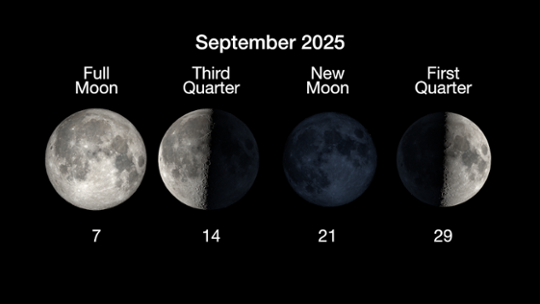
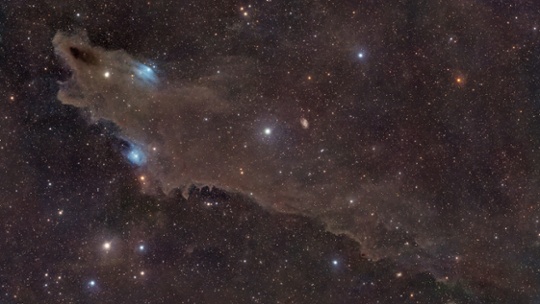
Reference Editor, Space.com | | 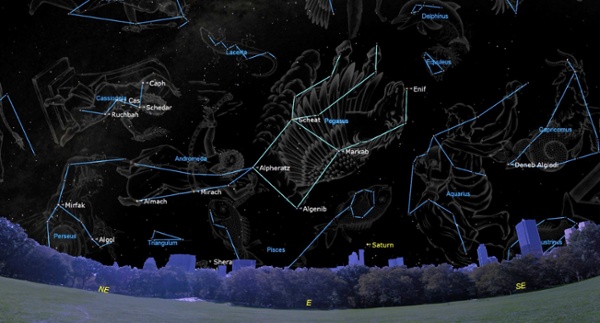 | | (Starry Night) | Look east after dark for the Great Square of Pegasus, a four-star diamond that's one of the most recognizable autumn asterisms. To the Lakota, it represented Keya the Turtle; to the Anishinaabe, Mooz the Moose. Under suburban skies, the square may appear empty, but binoculars reveal hidden stars — including two that form the "moose's heart." | | 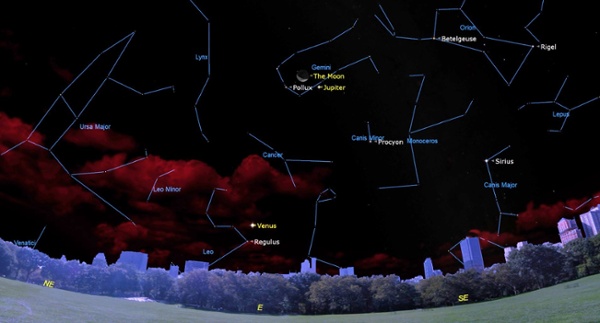 | | (Starry Night) | Before sunrise, a waning crescent moon shines near bright Jupiter in Gemini, with brilliant Venus glowing lower on the horizon. Castor and Pollux complete the scene for an early-morning photo opportunity. | | | | | 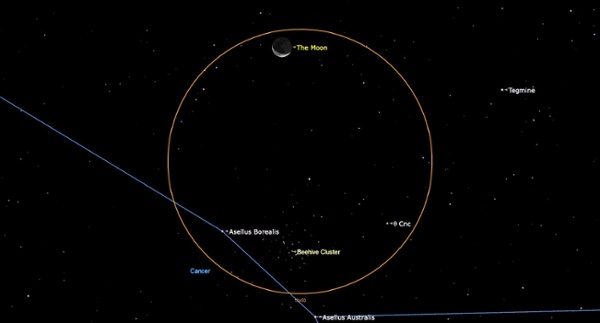 | | (Starry Night) | The crescent moon slips between Venus and Jupiter while hovering above the Beehive Cluster (Messier 44). Use binoculars to catch the cluster's scattered "bees" twinkling below the moon. | | 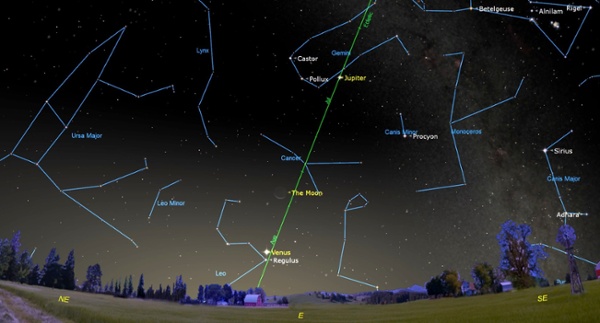 | | (Starry Night) | Look east before dawn for a faint, triangular glow of zodiacal light rising above Venus. This ghostly glow is sunlight scattering off interplanetary dust — best seen under dark skies away from city lights. | | 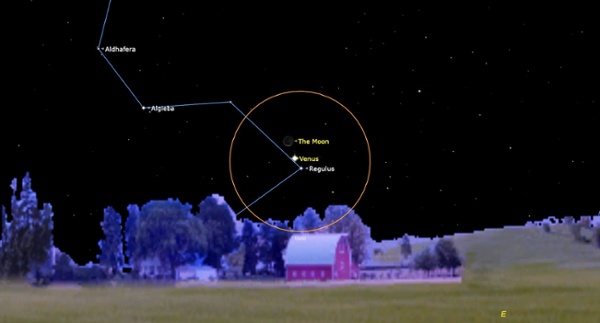 | | (Starry Night) | Venus appears neatly framed between the old crescent moon above and Regulus below. In parts of northeastern Canada, Greenland, Europe, and northern Africa, the moon will occult Venus or Regulus in daylight — a rare celestial treat. | | 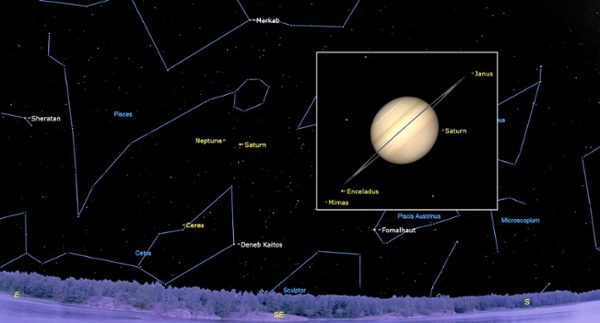 | | (Starry Night) | | Saturn rises at sunset and shines all night at its brightest of 2025. Through a telescope, its rings span 45 arcseconds and shine even more brilliantly thanks to the Seeliger effect — sunlight reflecting directly back from the ring particles. Opposition is also a prime time to spot Saturn's moons. | | | | | 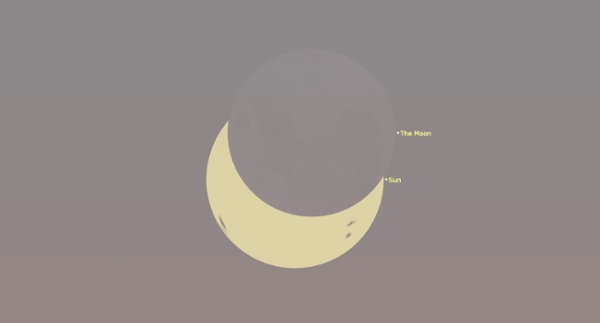 | | (Starry Night) | The new moon aligns with the sun at 19:54 GMT, bringing a deep partial solar eclipse visible from New Zealand, Polynesia, Melanesia, and Antarctica. At the greatest eclipse, nearly 79% of the sun will be covered over Dunedin, New Zealand. Remember: solar filters are essential for safe viewing. | | | | | | | Moon Calendar The new moon on Sunday, Sept. 21, not only darkens the skies for deep-sky observing but also delivers a partial solar eclipse. While only visible from the South Pacific and Antarctica, it's a reminder of how special these alignments are. For those outside the eclipse zone, enjoy the moon's reset as it prepares to return to the evening sky as a crescent. Want to explore more? Check out our ultimate guide to observing the moon for tips and tools to get the most out of each phase. | | | | | | | In The News | These breathtaking photographs are the winning entries of the 2025 ZWO Astronomy Photographer of the Year Awards. | | | | Solar Eclipse | The 'equinox eclipse' will bring up to 86% coverage across New Zealand, Antarctica and parts of the South Pacific. | | | | Northern Lights Forecast | The latest aurora forecast for tonight help you make sure you're in the right place at the right time to see the northern lights. | | | | Your Amazing Astrophotos | The nebula body of the cosmic shark is located 650 light-years from Earth in the constellation Cepheus. | | | | Astronomy Kit and Accessories | Don't let light pollution put you off stargazing or astrophotography, I managed to see galaxies, nebulas and star clusters all in Bortle 7 and 8 class night skies. | | | These compact, image stabilized Nikon 12x25 binoculars are some of the best small binoculars I've ever tested and I highly recommend them for stargazing. | | |  | |  | Follow Night Sky This Week |  |  |  |  | | | | | Future US LLC © | | Full 7th Floor, 130 West 42nd Street, New York, NY, 10036. | | | | |



No comments:
Post a Comment