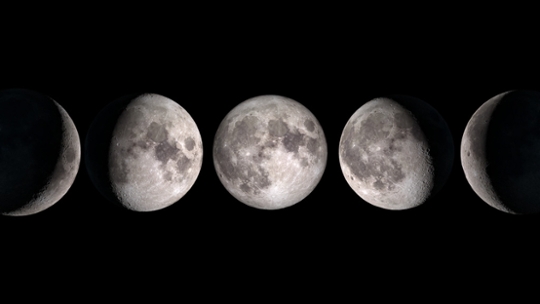
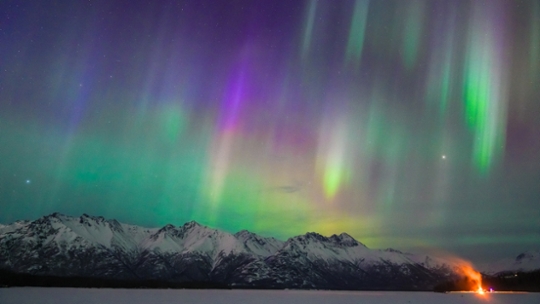
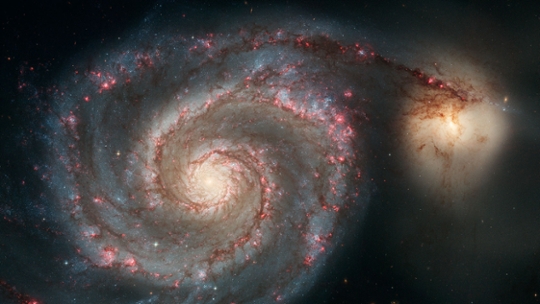
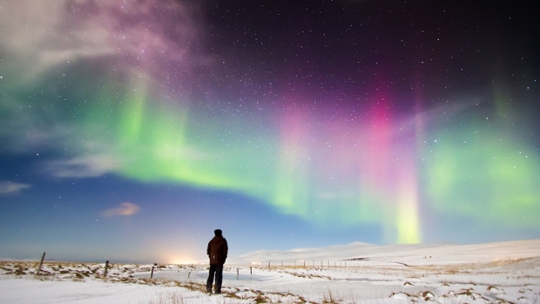
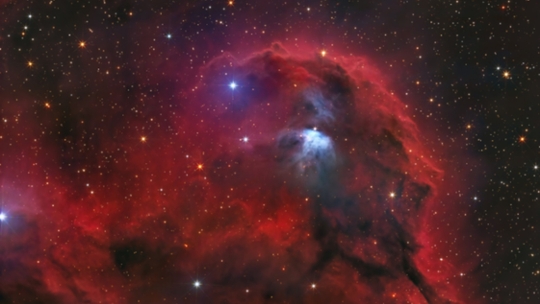
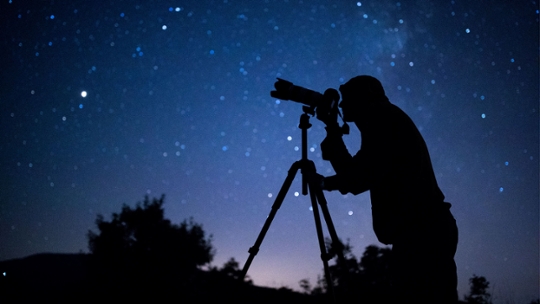
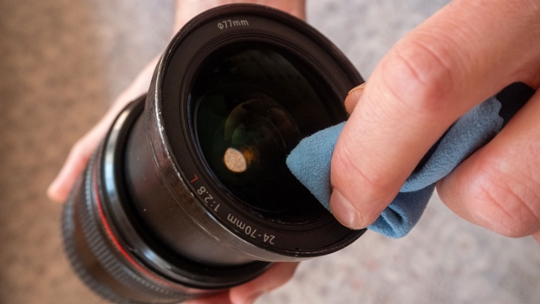
 | | Created for znamenski.spacecom@blogger.com | Web Version | | | |  The moon takes center stage this week, serving up a series of beautiful pairings and fleeting lunar sights. From a close encounter with Jupiter to the brief appearance of the Lunar X, there's plenty to catch in the evening sky. You'll also spot the moon gliding past the Pleiades, the Beehive cluster and the bright star Regulus in a run of easy-to-see celestial meetups. Elsewhere in this issue, we're showcasing a stunning roundup of northern lights photos captured across the U.S. and beyond over the weekend, along with a beautiful reader-submitted astrophoto of a reflection nebula glowing near the head of Orion. Here's what to watch for in the nights ahead. Daisy Dobrijevic Reference Editor, Space.com | | 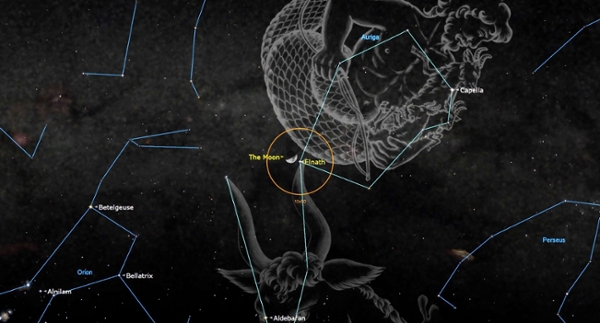 | | (Starry Night) | A half-lit moon shines close to Elnath, the star marking Taurus' horn, high in the western sky after dusk. In some regions, the moon will briefly occult the star. | | 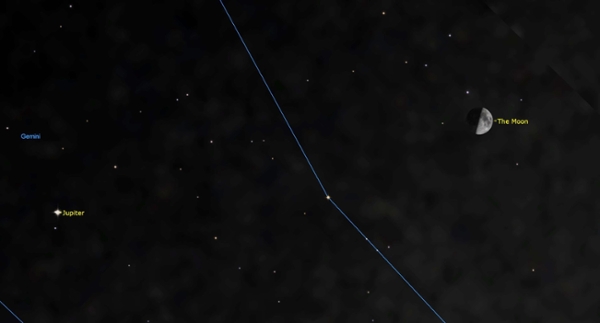 | | (Starry Night) | The moon reaches first quarter at 3:18 p.m. EDT (1918 GMT). After dusk, look for bright Jupiter shining just beside it. | | 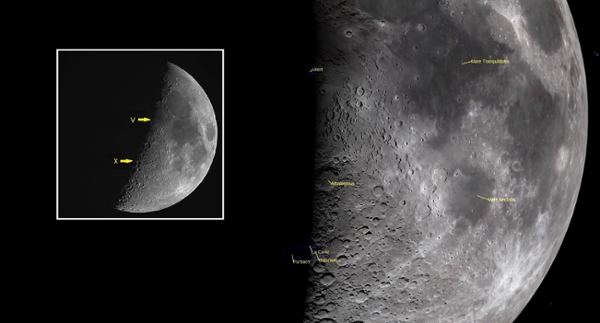 | | (Starry Night) | For a few hours, a striking X-shaped pattern appears on the moon's surface. It peaks around 11 p.m. EDT (0200 GMT) and is visible through binoculars or a small telescope. | | 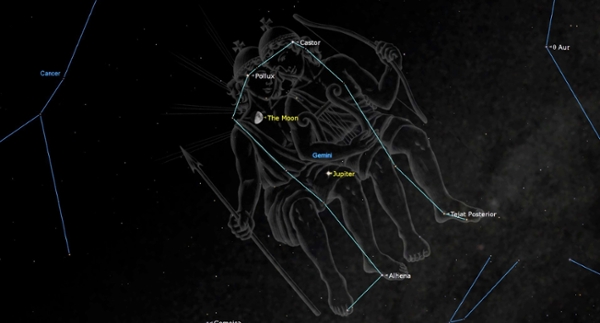 | | (Starry Night) | The moon and Jupiter pair up again. This time, they're joined by Castor and Pollux, forming a bright grouping high in the evening sky. | | 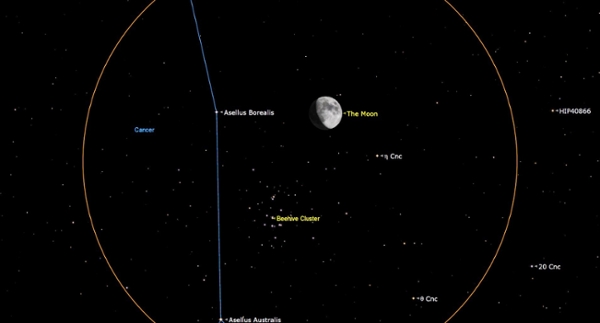 | | (Starry Night) | The moon passes close to the Beehive cluster (M44) in Cancer. Use binoculars and try hiding the moon just out of view to better see the stars. | | 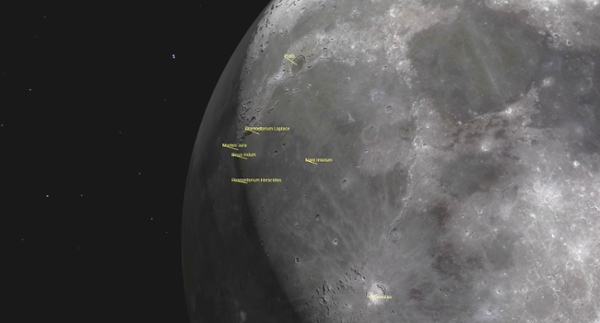 | | (Starry Night) | A beautiful lunar effect appears as sunlight illuminates Sinus Iridum, creating the glowing "Golden Handle" along the edge of Mare Imbrium. | | 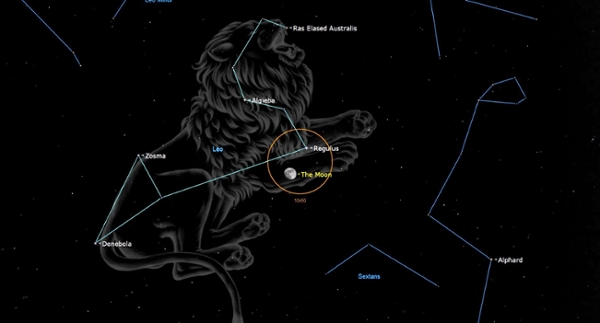 | | (Starry Night) | The moon pairs with Regulus, the brightest star in Leo, for the second time this month. The pair makes for a lovely, easy-to-spot alignment. | | | The moon reaches its first quarter phase on March 25 at 3:18 p.m. EDT (1918 GMT). At this phase, the moon appears half-illuminated, with its eastern side lit. The angled sunlight along the terminator (the line separating light and dark) makes this one of the best times to explore lunar craters and mountains in binoculars or a telescope. Want to explore more? Check out our ultimate guide to observing the moon for tips and tools to get the most out of each phase. | | | | Powerful geomagnetic storms sent the northern lights dancing far beyond the poles, delivering a spectacular show across the world. | | | Spring skies reveal some of the best galaxies visible to backyard telescopes. | | | | The latest aurora forecast for tonight helps you make sure you're in the right place at the right time to see the northern lights. | | | | Astrophotographer Emil Andronic captured a gorgeous blue reflection nebula glowing inside the red clouds of Orion's Head in the constellation Orion. | | | | Astronomy Kit and Accessories | | | Here are five ways to capture the night sky. | | | Follow these tips for cleaning the different parts of your camera lens, without risking damage. | | | | Stay up-to-date on all things space science, news, and entertainment by subscribing to our newsletters. | |  | |  | Follow Night Sky This Week |  |  |  |  | | | | When you purchase through links in our content, we may earn an affiliate commission.
© Future Publishing Limited. Reg No. 2008885 England. | | Full 7th Floor, 130 West 42nd Street, New York, NY, 10036. | | | | |


No comments:
Post a Comment