 | | Created for znamenski.spacecom@blogger.com | Web Version | | | |  The first full week of January delivers some brilliant midwinter skywatching, led by Jupiter shining at its very best and classic constellations taking center stage. Look for the gibbous moon glowing near Regulus early in the week, explore a rich halo of stars around Mirfak in Perseus and spend time getting to know Orion's Belt, where familiar stars reveal surprising differences under binoculars and telescopes. The week wraps up with Jupiter reaching opposition, visible all night long, followed closely by a third quarter moon, ushering in darker evening skies. There's more to enjoy in this newsletter today beyond what's overhead tonight. We're also diving into why 2026 marks the start of a true golden age of solar eclipses, with three total and three annular 'ring of fire' eclipses coming in just three years. Plus, we're celebrating the creativity of our community with a roundup of our 10 favorite reader photos of 2025, featuring unforgettable views of the sky from around the world.
Here's what to watch for in the nights ahead.
Clear skies,
Daisy
Reference Editor, Space.com | | 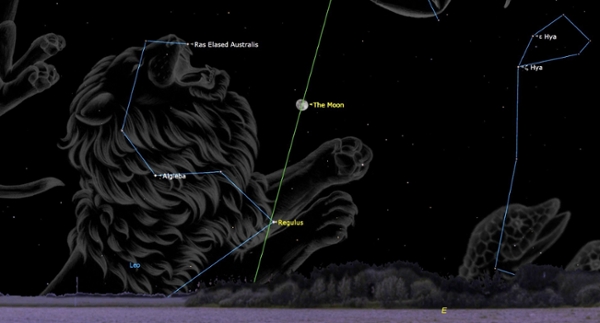 | | (Starry Night) | The bright, waning gibbous moon climbs the eastern sky with Regulus, the heart of Leo, shining just below it. The pair crosses the sky together all night. | | 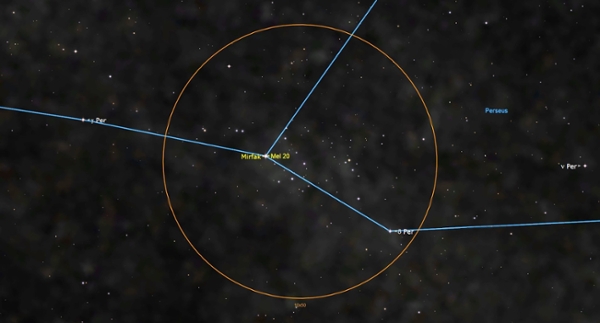 | | (Starry Night) | High overhead, Perseus hosts Melotte 20, a loose star cluster surrounding bright Mirfak. It's visible to the naked eye, but especially striking in binoculars. | | 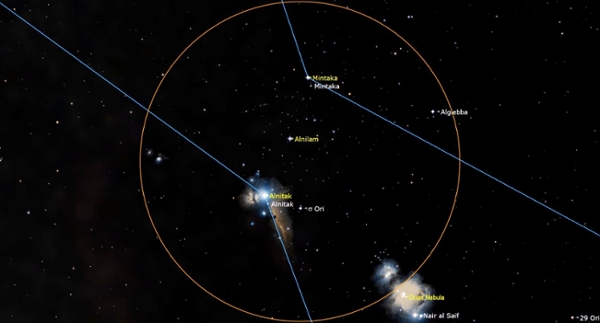 | | (Starry Night) | The three stars of Orion's Belt may look alike, but binoculars reveal differences in color, distance and even hidden companions, including the beautiful Sigma Orionis grouping. | | 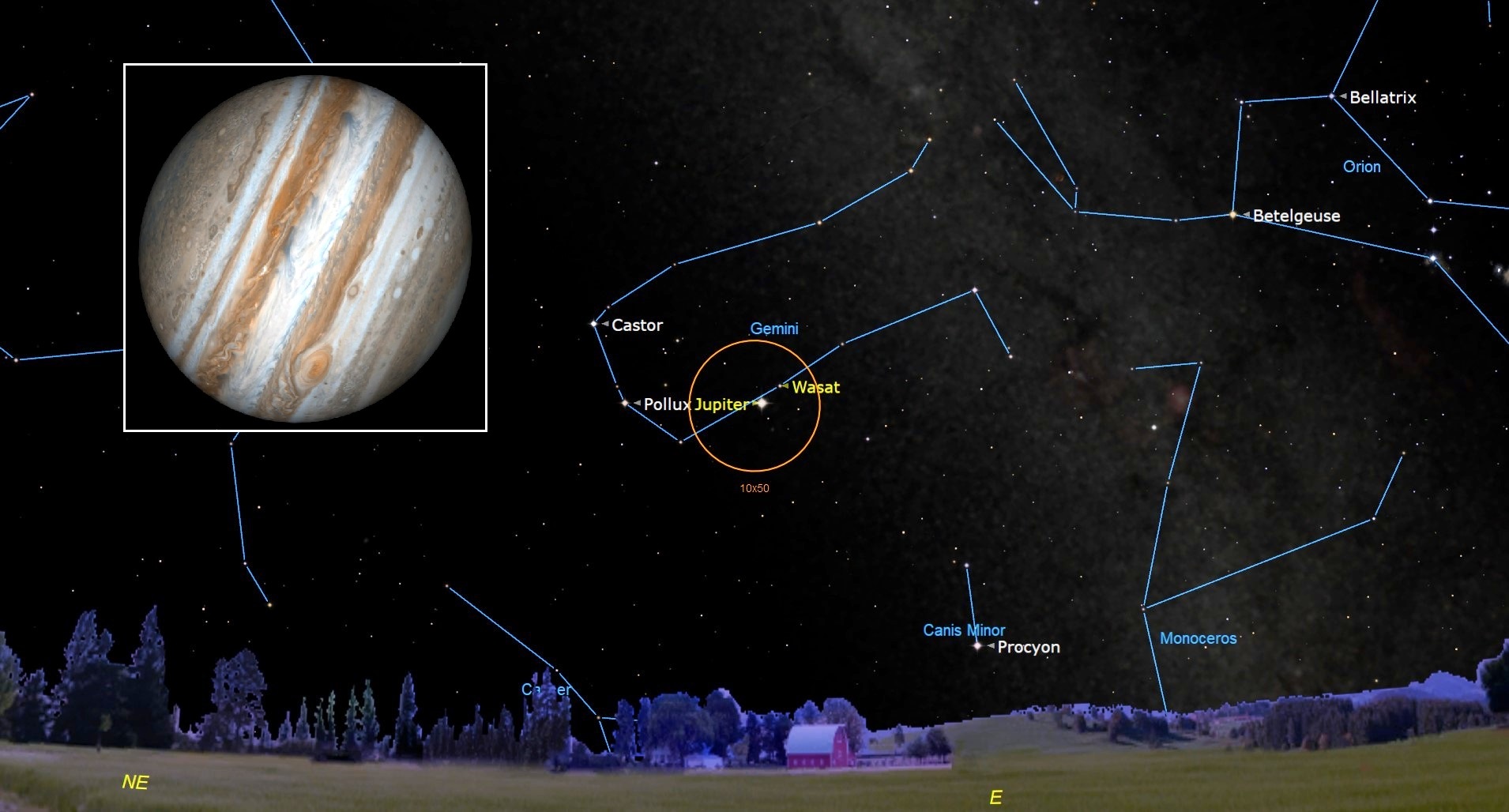 | | (Starry Night) | Jupiter shines at its brightest and closest of the year, rising at sunset and setting at sunrise. Telescopes reveal cloud bands, moon shadows and frequent transits. | | 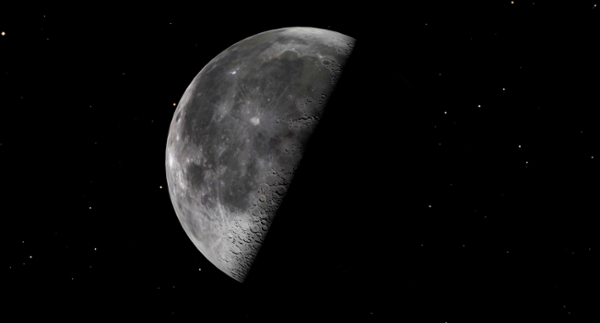 | | (Starry Night) | The moon reaches third quarter at 10:48 a.m. EST (1548 GMT). It rises around midnight, lighting the morning sky, while leaving evenings dark for deep-sky observing. | | | The moon reaches the third quarter moon on Jan. 10. At third quarter, the moon is half-lit on its western side and rises around midnight. The days that follow bring dark, moonles evenings, ideal for spotting faint start clusters, nebulas and galaxies.
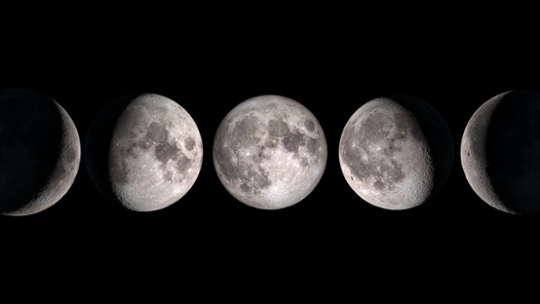
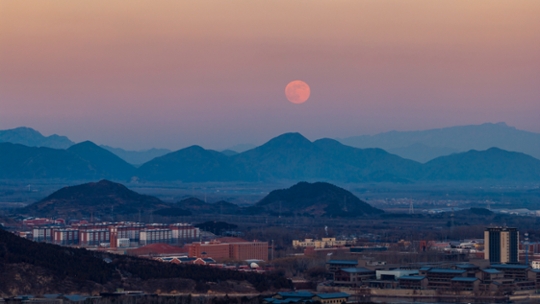
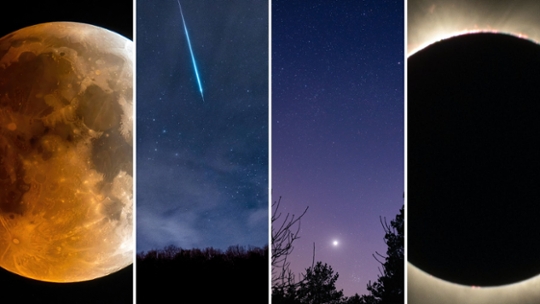
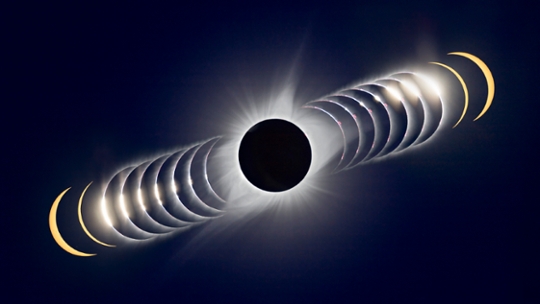
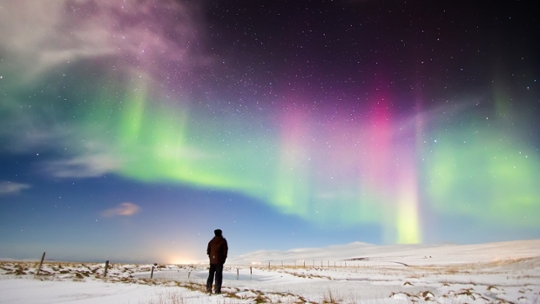
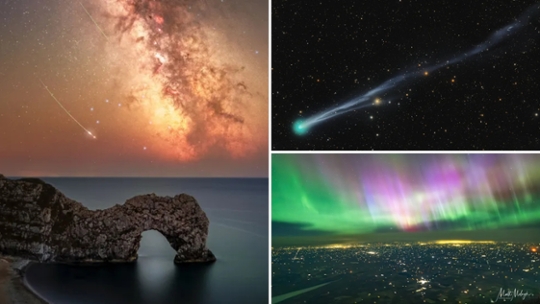
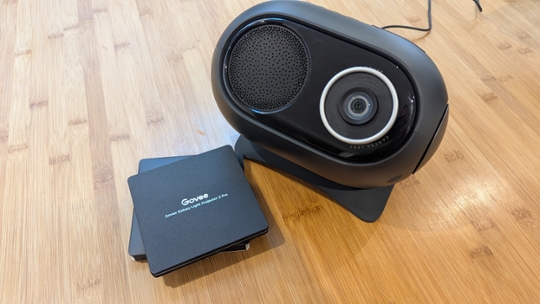
A small telescope or binoculars will reveal dramatic texture across the moon's surface — perfect for relaxed holiday observing. Want to explore more? Check out our ultimate guide to observing the moon for tips and tools to get the most out of each phase. | | | | January's full moon is often known as the 'Wolf Moon'. | | | Our 2026 skywatching guide includes a total solar eclipse, a "blood moon" and a festive supermoon. Here are the dates you need to know. | | | | Earth is about to see three total solar eclipses in just under two years, with each successive path of totality moving west to east across the globe. Here's everything you need to know to plan an exquisite triple-header. | | | | The latest aurora forecast for tonight help you make sure you're in the right place at the right time to see the northern lights. | | | | From auroras at 36,000 feet to comet flybys and eclipses, these are the standout images our readers shared with Space.com in 2025. | | | | Astronomy Kit and Accessories | | | Canon's lightest IS binos provide ample image stabilization and good optical clarity — great for enthusiastic, traveling stargazers. | | | The new Govee Star Light Projector 2 Pro provides a dreamy bedroom celestial display that's brighter and clearer than ever before. | | | | Stay up-to-date on all things space science, news, and entertainment by subscribing to our newsletters. | |  | |  | Follow Night Sky This Week |  |  |  |  | | | | | Future US LLC © | | Full 7th Floor, 130 West 42nd Street, New York, NY, 10036. | | | | |



No comments:
Post a Comment